How to Optimize Room Layout for Relaxation
Creating a relaxing space in your home is essential for promoting comfort and tranquility. The layout of a room significantly impacts how we feel in that space. In this article, we will explore effective strategies to optimize your room layout for relaxation, drawing on expert recommendations and practical applications.
Understanding the Basics of Room Layout
Room layout involves arrangement and design choices that can affect functionality and mood. According to research, a well-organized layout can enhance relaxation by reducing clutter and creating a sense of order. Experts recommend considering both space and flow when designing a room to maximize comfort.
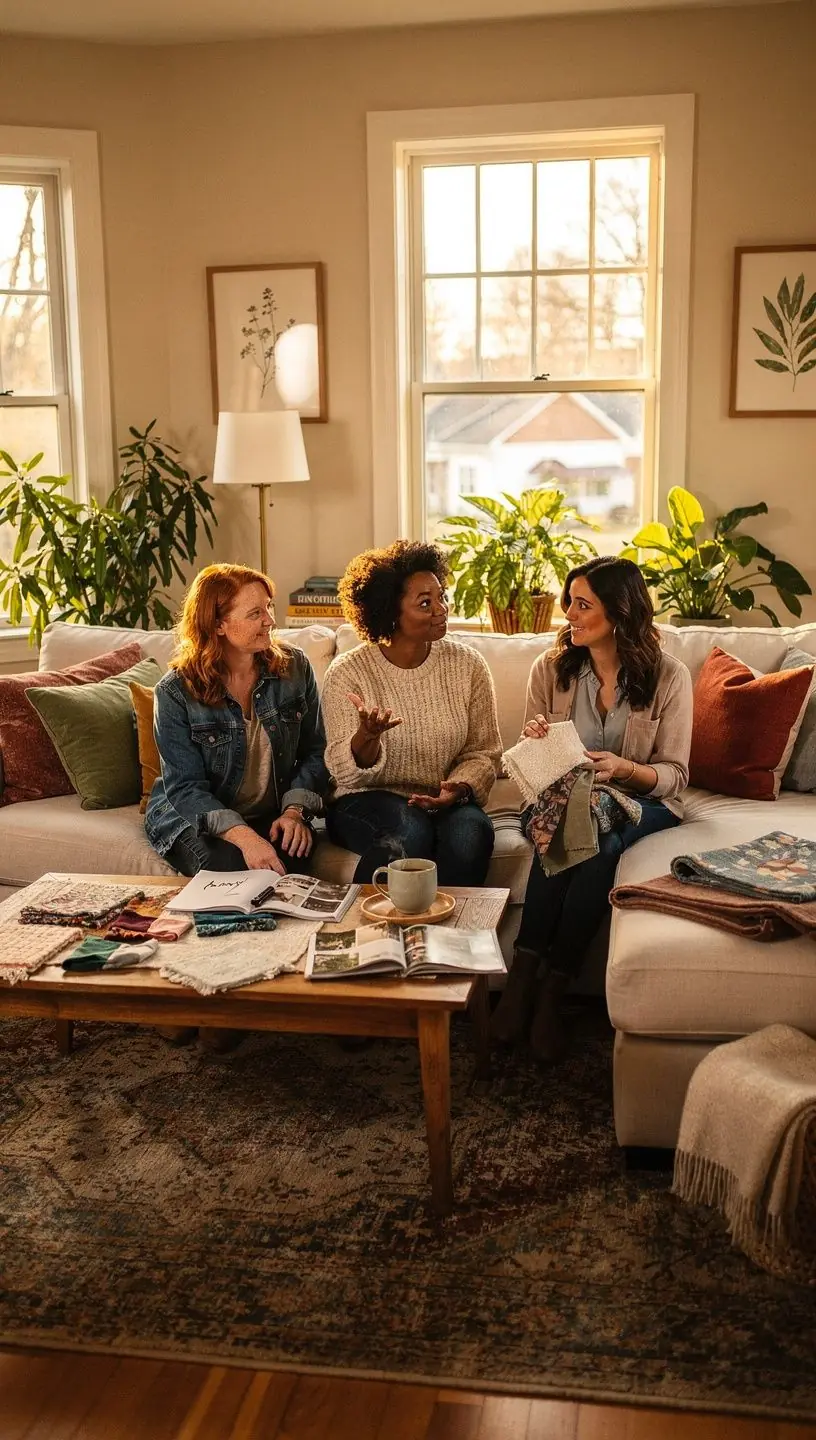
"A thoughtful arrangement of furniture and decor can transform a room into a serene retreat, making it easier to unwind after a long day."
Key Principles for a Relaxing Room Layout
- Prioritize Space: Aim for open spaces that allow movement and ease of access. Studies indicate that crowded spaces can lead to feelings of stress. In most cases, leaving pathways clear helps facilitate a more relaxed atmosphere.
- Balance Furniture Placement: Position furniture in a way that encourages conversation and connection. Research shows that symmetrical arrangements often create a harmonious environment, fostering relaxation.
- Incorporate Natural Elements: Utilizing plants and natural light can significantly enhance the comfort of a space. The principle behind this is that nature has a calming effect, and many users report feeling more at ease in environments filled with greenery.
Practical Steps to Optimize Your Layout
To achieve a more relaxing room layout, consider the following actionable steps:
- Evaluate Current Layout: Take time to assess your existing room arrangement. Identify areas that feel cluttered or uncomfortable. This typically takes about 30 minutes and allows for critical insight.
- Experiment with Different Configurations: Try rearranging furniture in different ways. Many users find that moving furniture can lead to discovering more functional arrangements. This process may require several attempts to find the most effective layout.
- Incorporate Personal Touches: Reflect on what makes you feel relaxed, whether it’s specific colors, textures, or decor items. Personalization can significantly enhance comfort, as research indicates that personal connections to items can improve mood.
Conclusion
Optimizing your room layout for relaxation is a thoughtful process that can significantly enhance your comfort at home. By prioritizing space, balancing furniture placement, and incorporating natural elements, you can create a serene environment conducive to relaxation. Remember, this journey typically requires time and experimentation, but the reward is a peaceful sanctuary that reflects your personal style and meets your needs.