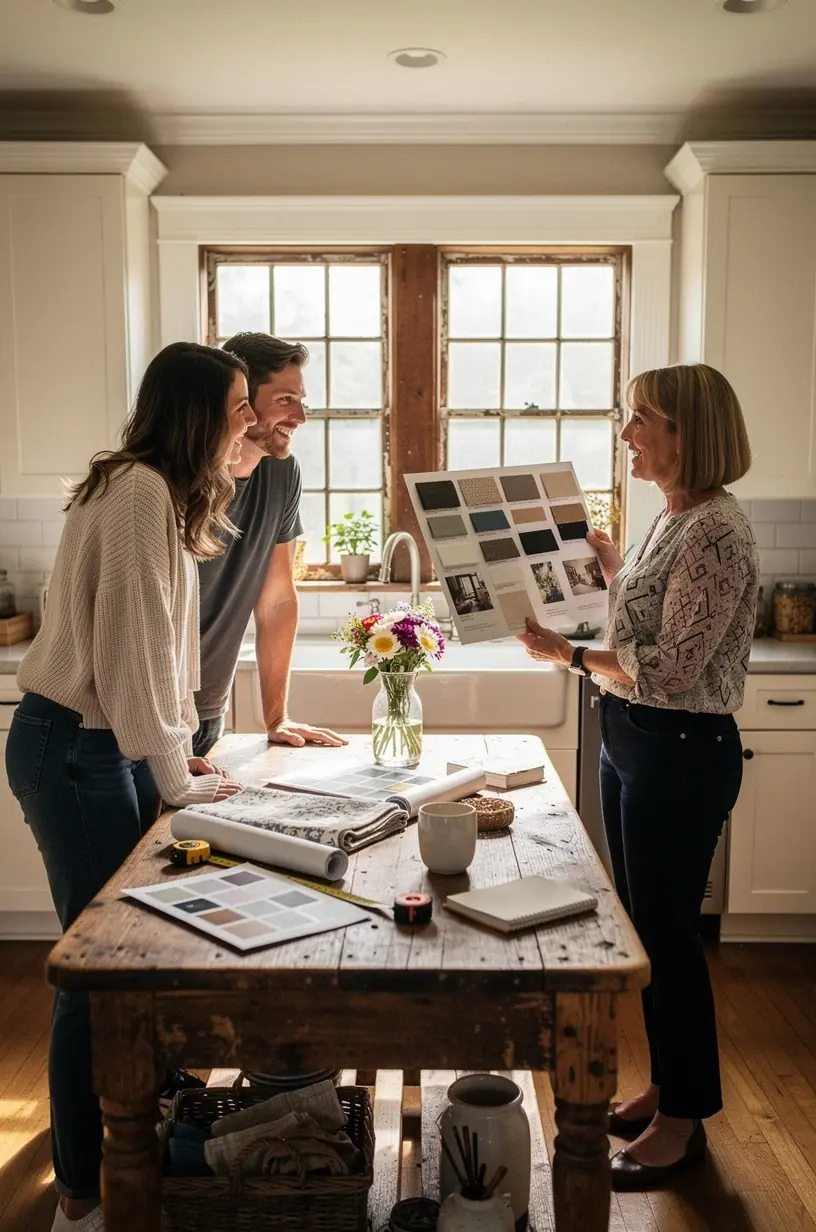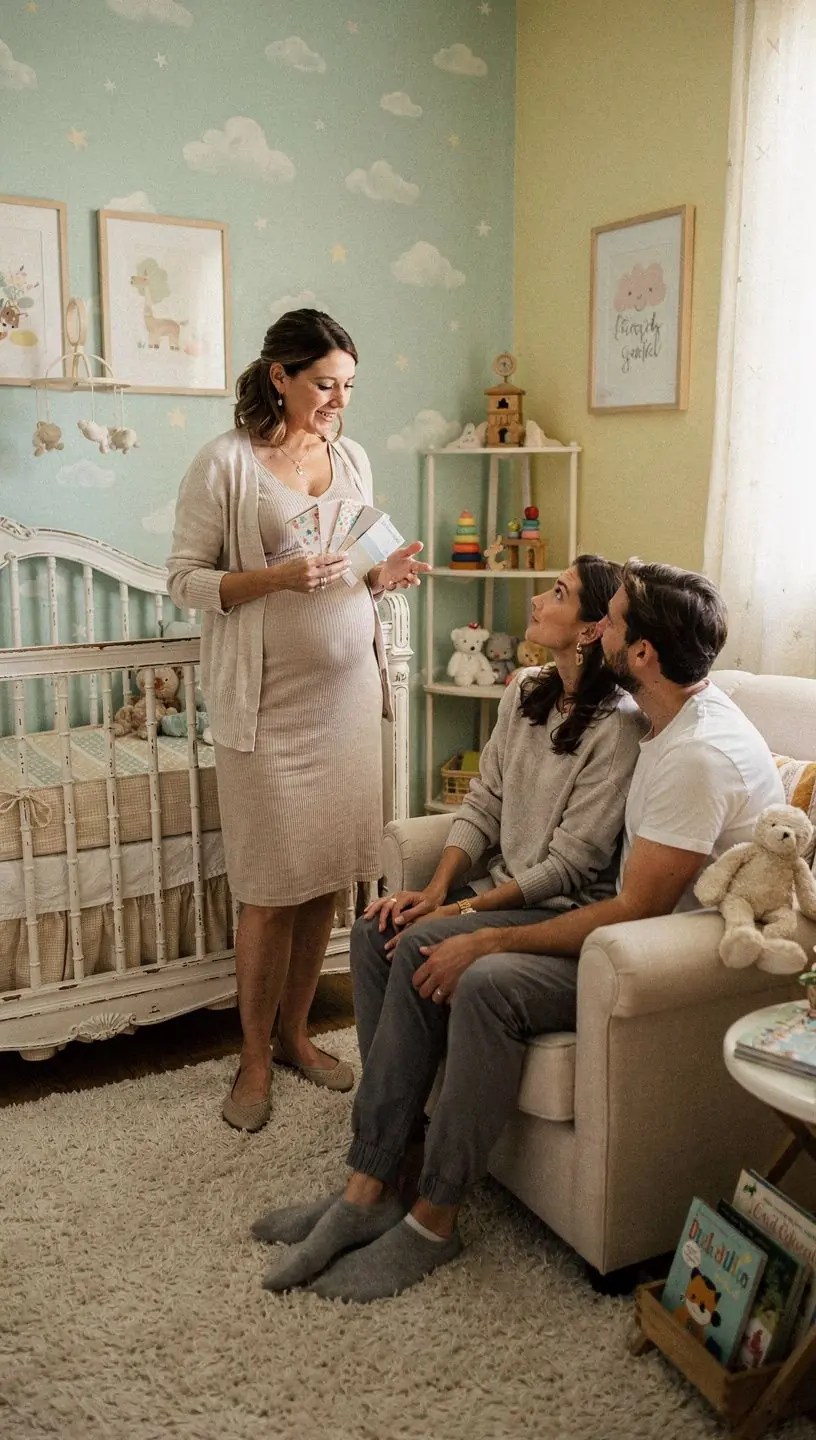
Understanding the Psychology of Space in Home Design
Creating a cozy home involves more than just selecting the right furniture; it also requires an understanding of how space affects our emotions and behaviors. In this article, we explore the psychology behind home design and how you can harness it to enhance comfort and well-being.
Understanding the Basics
Research into environmental psychology indicates that our surroundings significantly influence our mood and cognitive function. For instance, studies show that well-organized spaces can reduce stress and anxiety, while cluttered environments often lead to feelings of overwhelm. Thus, layout plays a critical role in fostering a sense of comfort and tranquility at home.
"The arrangement of furniture and decor can greatly affect how we feel in a given space." - Environmental Psychologist
The Impact of Layout
The layout of a room should facilitate movement and interaction. Open spaces typically promote social engagement, while confined areas may encourage intimacy and privacy. According to interior design experts, arranging furniture to create clear pathways can enhance flow, making a space feel more inviting.
Moreover, zoning—dividing a room into specific areas for different activities—can help define purpose and improve functionality. This is especially relevant in multifunctional spaces, such as living rooms that also serve as offices. By clearly delineating areas, you can help occupants feel more focused and productive.
Choosing Textiles and Colors
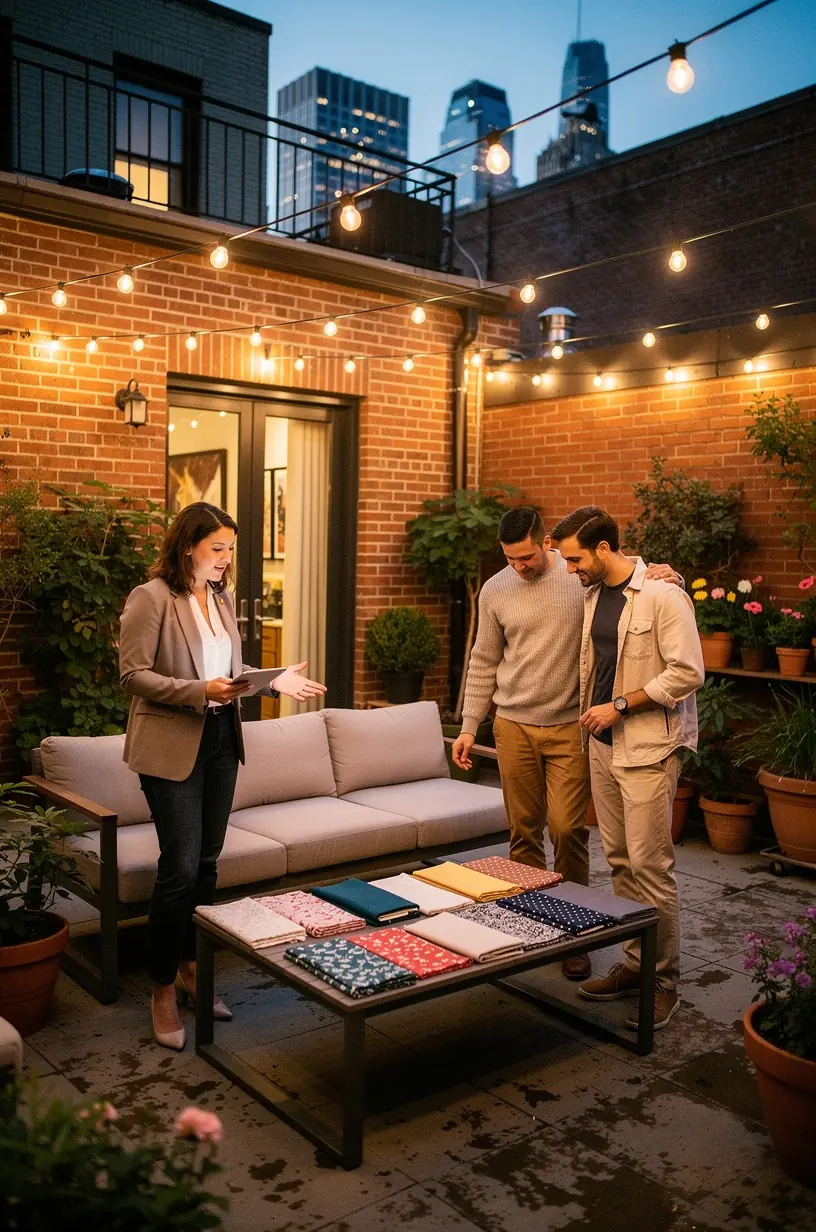
Textiles and colors can evoke emotional responses that align with your desired atmosphere. For example, soft fabrics and warm colors often create a sense of warmth and comfort, while cooler tones and sleek materials can lend a feeling of calmness or sophistication. According to color psychology, colors like blue are known to promote relaxation, while yellows tend to uplift mood.
Practical Tips for Textile Selection:
- Choose soft textures for seating areas to enhance comfort.
- Incorporate layered textiles, like blankets and cushions, to create a cozy environment.
- Consider the durability of materials based on the room's purpose; for example, high-traffic areas benefit from more robust fabrics.
Incorporating Nature
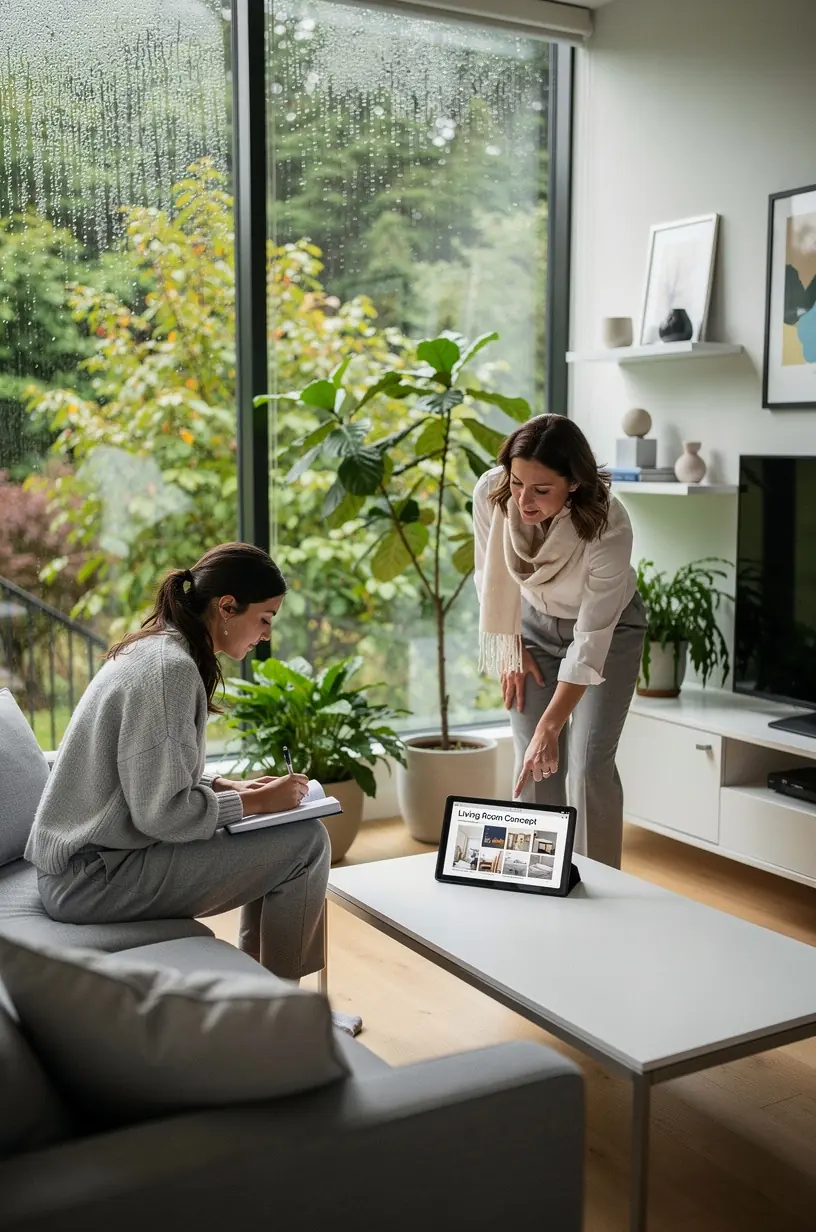
Biophilic design—which incorporates natural elements into interiors—has been shown to improve mental well-being. Research indicates that exposure to nature can reduce stress, enhance creativity, and improve overall mood. Adding elements like houseplants or natural light can create a more soothing environment.
Experts recommend integrating plants as they not only improve air quality but also provide a visual connection to nature, which can be incredibly grounding. When selecting plants for your home, consider those that are low-maintenance to ensure you can enjoy their benefits without added stress.
Conclusion
Understanding the psychology of space in home design is crucial for creating a comfortable and inviting environment. By thoughtfully considering layout, textiles, colors, and natural elements, you can significantly enhance your home's atmosphere. Keep in mind that changes often take time to fully materialize, and adjustments may be necessary to find what truly works for your space. The process can be rewarding, leading to improved comfort and well-being in your living environment.
Explore More